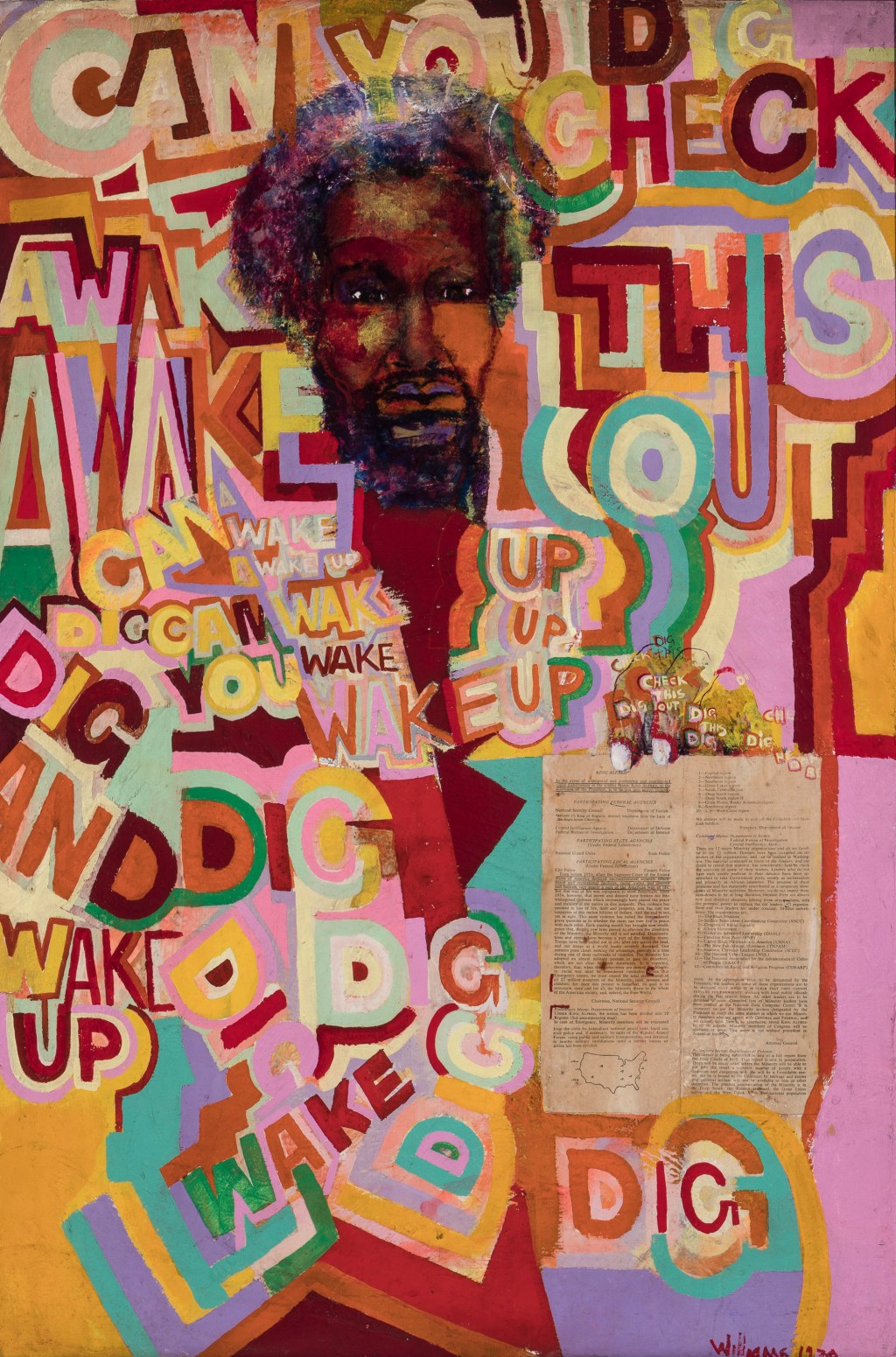
The nostalgia for the 70s is back in full swing this summer, or at least a sponsored version of it is. You can see it in the Flower Power exhibit at the New York City Botanical Garden, paying homage to 70s artists like Andy Warhol’s pop art, Milton Glaser’s psychedelic surrealism, and Joe Brainard’s collages.
Olivia Rodrigo’s Daisy Chain fields music festival featured many cool, awesome, amazing women headlining, such as Bikini Kill, Stevie Nicks, Chappell Roan, and Doechii, just to name a few, and it was a massive success in raising money for the charities it supported. It also inspired attendees to wear 70s-inspired clothing and enjoy the nostalgia of what many think of as a more whimsical time.
Or, in my recent experience seeing “You Had to Be There,” a documentary on the 70s hit production of Godspell that birthed generationally talented comedians, actors, and artists.
Right now we live in times where fascism and inequality are no longer knocking on our doors politely; they have barged their way in. Much as the 1970s peace and love movement was a response to the Vietnam War, our society’s decline from the civil rights era, and increased governmental corruption, our nostalgia also reflects a similar mentality, as our cost of living reaches astronomical highs, we’re facing multiple wars across the globe, and governmental corruption brutes us in the face, we crave the messaging of peace and love.
Whether the peace and love movement, and making love, not war, actually made substantial systemic change in our society is debatable, but it did wonders for art.
When we think about art that leaves its impact on us generations into the future, it is art with a clear, tangible message that speaks to some part of our soul and asks something of us. I think of Bob Marley, Ntozake Shange, Led Zeppelin, Pink Floyd, Toni Morrison. It is hard for me to believe all these people were alive at the same time; their mediums for telling their stories, thoughts, and findings about societies were vastly different, but they spoke to something real and ignited an audience then and now.
When I think about the artists I mention above, some were incredibly fearless, committed, experimental, or truth-seeking. Some artists were all of the above, but they could look inside themselves, be with the people around them, and ask, what story are we willing to tell about our human experience, and how do we want to tell it?
When you make art, you should ask yourself the same question every step of the way. As Solange said:
Solange Knowles
We are truly nothing without our intentions. We might not always be aware of what they are, or our purpose may get lost in the darkness of our day-to-day, but it’s always a light switch we can turn on to see clearly in our task of creating. I’ve been learning lately that not everything I create has to be profound or generational-defining; you and I can create for ourselves and hope it reaches others, because the intention to create matters.
The people of the 70s created art in a post-World War II, active arms war, nuclear bomb detonating, racial segregation society; their art spoke to certain truths about those conditions, whether they meant to or not. We can look at their work, and at our future and current art, and ask ourselves: how can I understand myself through the other around me and those who have come before me?


Leave a Reply